What to Wear After Swimming in Winter? Stay Warm and Stylish

After swimming in winter, it is essential to prioritize warmth and moisture management. Start by using a quick-dry towel, important for minimizing drying time.
Wear thermal underwear made from materials like merino wool to retain core warmth. Layer with a fleece mid-layer and a waterproof outer layer to protect against wind and moisture.
Moisture-wicking socks are critical to keep feet dry and prevent frostbite. Enhance overall warmth with insulated jackets, thermal hats, scarves, and gloves.
Prioritize waterproof footwear to keep feet insulated and dry. To fully optimize your post-swim recovery and comfort, continue exploring practical insights into winter swimming attire strategies.
5 Essential Clothing Items to Wear After Swimming in Winter
| Consideration | Clothing Recommendation |
|---|---|
| Warmth | Thick towel or robe, thermal jacket |
| Layering | Fleece hoodie, thermal base layer |
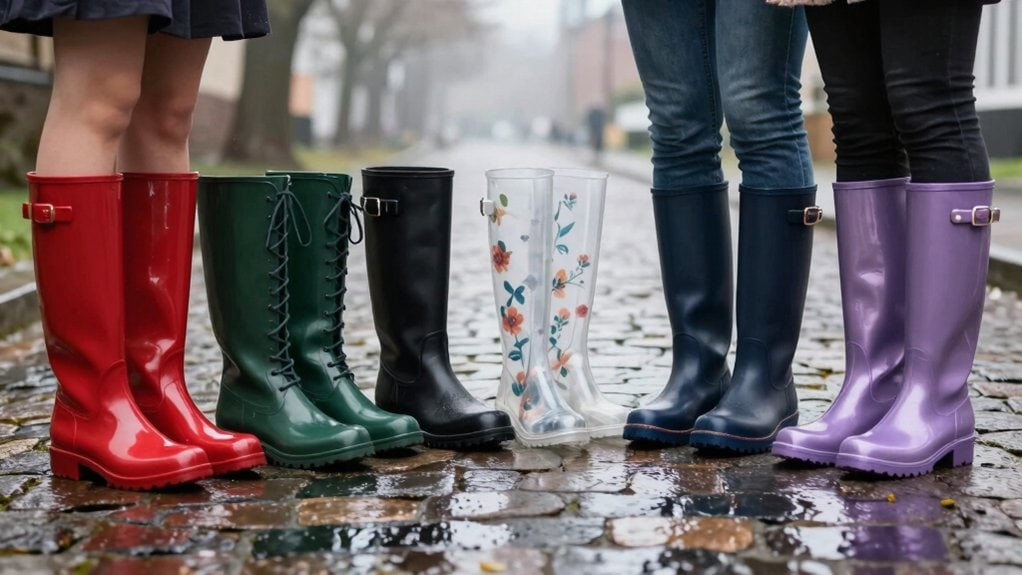
| Footwear | Waterproof boots or thermal slippers |
| Accessories | Woolen hat, scarf, gloves |
| Quick Drying | Moisture-wicking clothing |
Key Takeaways
- Wear quick-drying towels and moisture-wicking socks to keep dry and prevent chills.
- Use thermal underwear for efficient insulation and warmth retention.
- Layer with fleece mid-layer and windproof outerwear to maintain body heat.
- Add thermal hats, scarves, and gloves for essential head and hand protection.
Quick-Dry Towels
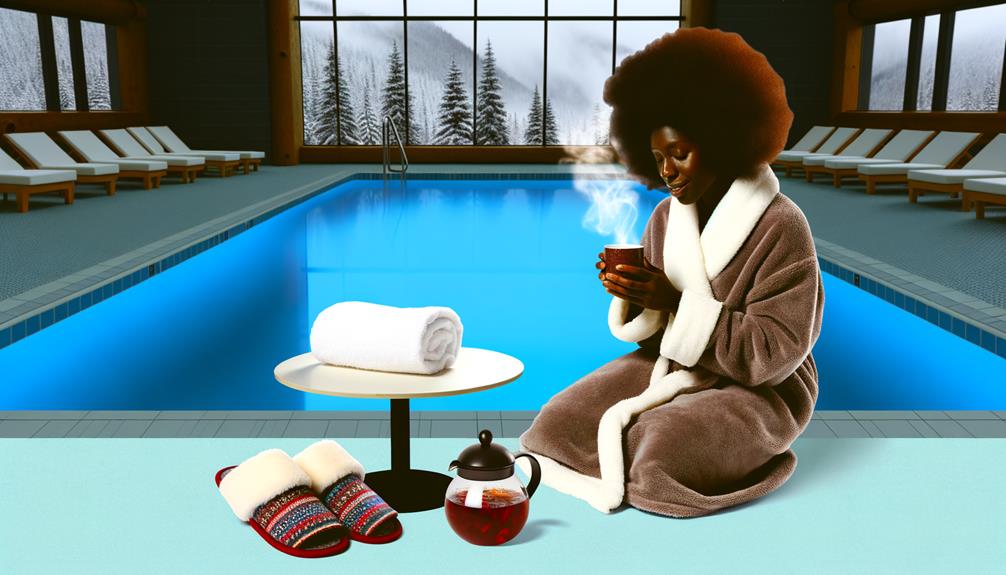

Quick-dry towels are an essential item for swimmers during winter, as they greatly reduce drying time and help maintain body warmth immediately after exiting the pool.
These towels are typically made from advanced microfiber materials that excel in moisture absorption and rapid evaporation, ensuring that swimmers can dry off quickly without the discomfort of lingering wetness.
The compact and lightweight design makes them easy to carry in swim bags, adding convenience without additional bulk.
For peak performance, select a towel with a high GSM (grams per square meter) rating, as this indicates superior absorbency.
Additionally, washing the towels regularly without fabric softeners preserves their quick-dry properties, ensuring consistent performance throughout the winter swimming season.
Warm Bathrobes
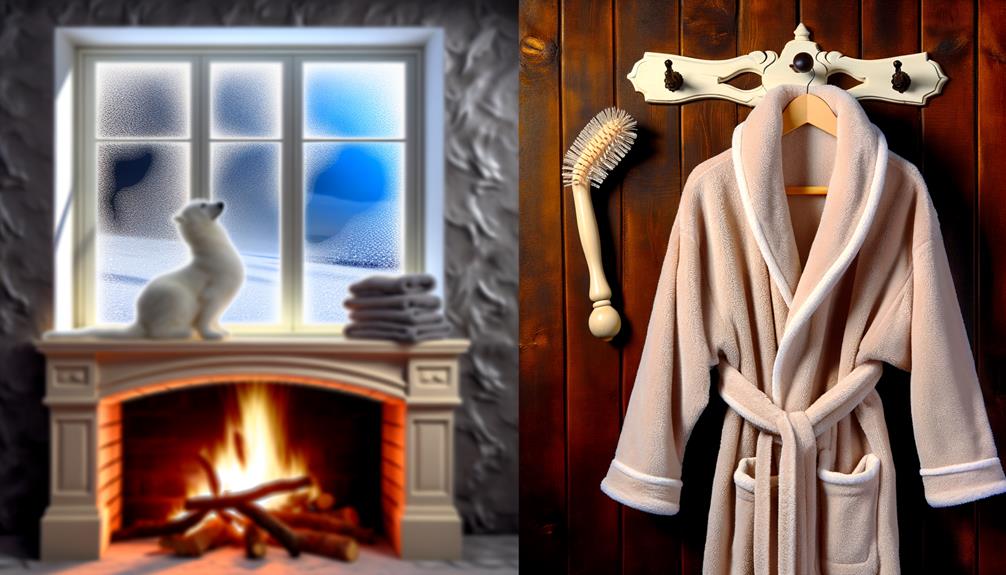
Warm bathrobes are an indispensable addition to any swimmer’s winter gear, providing immediate insulation and comfort after leaving the pool.
Designed to retain body heat, bathrobes made from materials such as fleece or terry cloth are particularly effective. These fabrics offer superior warmth and moisture-wicking properties, guaranteeing that residual water does not lead to a chill.
Opt for a bathrobe with a hood and deep pockets for added functionality and warmth. The length of the bathrobe is also critical; a longer robe offers better coverage and retains more heat.
Thermal Underwear

Thermal underwear is essential for retaining body heat after swimming in winter, as it provides an insulating layer that helps maintain core temperature.
Opting for high-quality thermal wear made from materials such as merino wool or synthetic fibers can greatly enhance warmth and comfort. If you’re attending a winter wedding and want to stay warm without sacrificing style, consider layering a merino wool or synthetic thermal top underneath your dress or suit. This will provide extra insulation without adding bulk to your outfit. Additionally, pairing your thermal wear with stylish outerwear, such as a chic wool coat or fur-lined jacket, can complete your winter wedding outfit ideas while keeping you cozy in the colder temperatures.
Additionally, layering thermal underwear beneath other clothing guarantees thorough insulation, making it easier to shift from the pool to colder outdoor environments.
Heat Retention Benefits
One of the most effective ways to retain body heat after swimming in winter is by wearing thermal underwear, which is specifically designed to trap warmth and provide insulation against the cold.
Thermal underwear is typically made from materials such as merino wool, synthetic fibers, or a blend of both, which offer excellent heat retention properties. The fabric’s tight weave helps in minimizing heat loss by creating a barrier against cold air while wicking away moisture from the skin.
This dual functionality guarantees that the body remains dry and warm, vital for preventing hypothermia. Additionally, the lightweight and flexible nature of thermal underwear allows for comfortable wear without restricting movement, making it an essential garment for post-swimming warmth.
Layering for Warmth
How can one maximize warmth and comfort after swimming in winter?
The key lies in proper layering, starting with thermal underwear. Thermal underwear serves as an essential base layer, providing effective insulation by trapping body heat and wicking away moisture.
Opt for materials like merino wool or synthetic fibers, which offer superior thermal regulation and moisture management. The snug fit of thermal underwear guarantees minimal air gaps, enhancing warmth retention.
For peak effectiveness, follow with a mid-layer such as a fleece jacket, which adds bulk insulation, and conclude with a windproof and waterproof outer layer to shield against the elements.
This strategic layering approach guarantees sustained warmth and comfort, vital for post-swimming recovery in cold conditions.
Insulated Outerwear
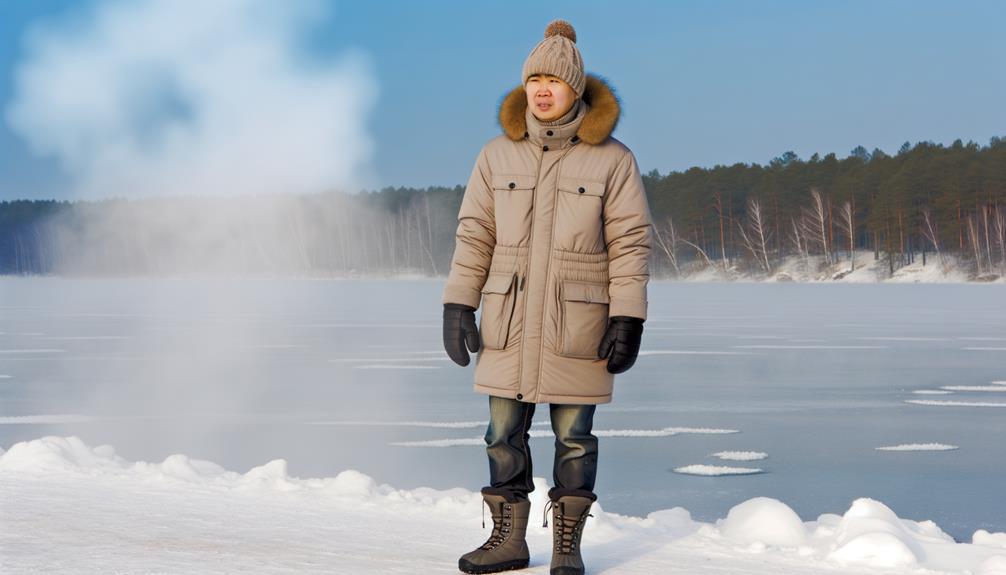
Selecting insulated outerwear that balances warmth and breathability is critical for maintaining body temperature after a winter swim.
Opt for down or synthetic insulated jackets, which provide excellent thermal efficiency while remaining lightweight. These materials trap heat effectively but also allow moisture to escape, preventing overheating.
Look for jackets with adjustable hoods, cuffs, and hems to seal in warmth and block out cold air. Additionally, consider outerwear with water-resistant or waterproof exteriors to shield against wet conditions.
Features like underarm zippers can enhance ventilation, further aiding in temperature regulation. Prioritize a snug but comfortable fit to retain heat efficiently without restricting movement.
Properly chosen insulated outerwear guarantees a swift recovery from cold exposure while maximizing post-swim comfort.
Moisture-Wicking Socks
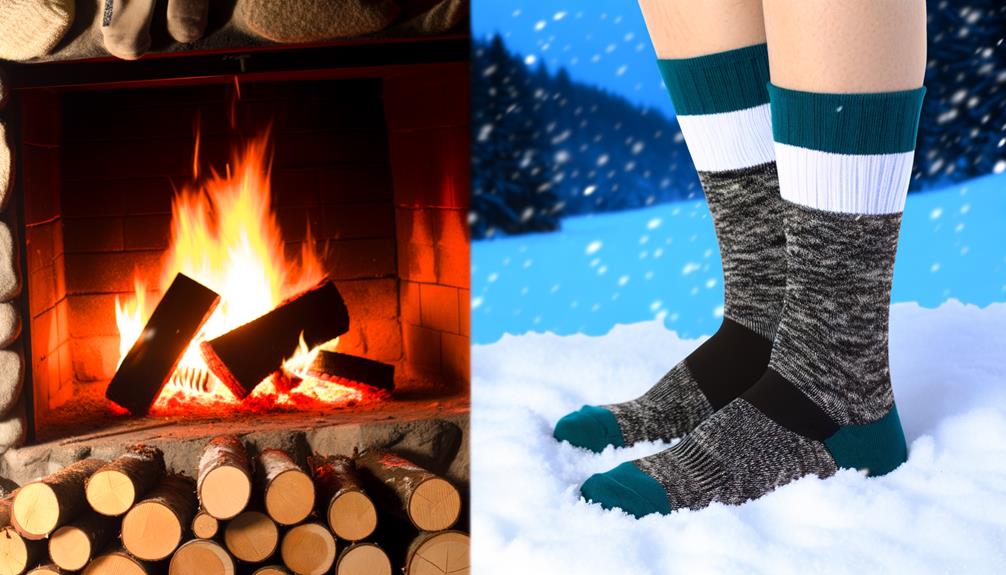
Moisture-wicking socks are essential after swimming in winter due to their quick-drying properties, which help to keep your feet warm and dry.
These socks utilize specialized fabrics that efficiently pull moisture away from the skin, reducing the risk of cold feet and potential frostbite.
Investing in high-quality moisture-wicking socks can greatly enhance your post-swim comfort and overall experience.
Quick-Drying Fabric Benefits
One of the key advantages of wearing moisture-wicking socks after a winter swim is their ability to efficiently draw moisture away from the skin, thereby reducing the risk of chills and discomfort.
Engineered from advanced synthetic fibers like polyester or nylon, these socks offer superior moisture management compared to traditional cotton. The quick-drying properties guarantee that any residual water is rapidly evaporated, maintaining a dry, warm environment for your feet.
This is particularly essential in cold weather, where prolonged exposure to dampness can lead to severe discomfort or even health risks. Additionally, the enhanced breathability of these fabrics allows for better air circulation, further promoting dryness and thermal comfort.
Investing in high-quality, moisture-wicking socks is a prudent choice for post-swim warmth and well-being.
Preventing Cold Feet
To effectively combat cold feet after a winter swim, moisture-wicking socks serve as an essential component, thanks to their advanced ability to manage moisture and maintain warmth.
These specialized socks are designed to draw sweat away from the skin, facilitating faster evaporation and thereby preventing the chilling effect of dampness. Constructed from materials such as merino wool, polyester, or a blend of synthetics, they offer excellent thermal regulation while guaranteeing feet remain dry.
Additionally, moisture-wicking socks often incorporate cushioning that enhances comfort and insulation. For peak effectiveness, it is advisable to pair these socks with insulated, water-resistant footwear.
This combination guarantees that post-swim feet are not only dry but also shielded from frigid temperatures, promoting overall warmth and comfort.
Waterproof Footwear
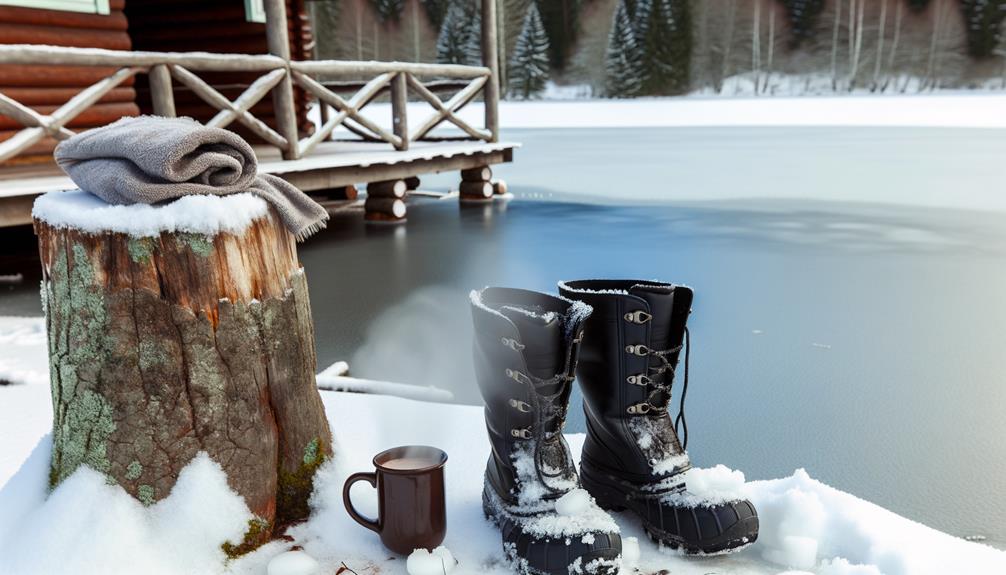
When selecting waterproof footwear for post-swim activities in winter, it is essential to take into account both insulation and water resistance to guarantee your feet remain dry and warm.
Opt for boots made from materials such as neoprene or rubber, which offer superior water-blocking properties. Ascertain that the footwear features a thermal lining, such as fleece or Thinsulate, to provide necessary insulation against cold temperatures.
Additionally, look for designs with sealed seams to prevent leaks and a non-slip sole to navigate icy or wet surfaces safely. Adjustable closures, like zippers or Velcro straps, can also enhance fit and comfort.
Prioritize quality brands known for durability to guarantee long-lasting protection throughout the winter season.
Cozy Accessories

After swimming in winter, incorporating cozy accessories such as thermal hats, scarves, and gloves is essential to maintain body heat and secure comfort.
Thermal hats provide critical insulation for the head, a significant site of heat loss.
Scarves crafted from wool or high-quality synthetics wrap snugly around the neck, preventing cold air from seeping into your core.
Gloves, especially those with thermal lining, keep hands warm and maintain dexterity in frigid conditions.
Additionally, consider accessories like fleece-lined socks and ear warmers to further protect against the cold.
Prioritizing these items ensures that you remain warm, reduces the risk of catching colds, and enhances overall post-swim recovery during the winter season.
Conclusion
Emerging from the icy embrace of winter waters, the swimmer must don layers akin to the protective armor of a knight.
Quick-dry towels serve as the initial shield, absorbing the cold’s residue.
Warm bathrobes, thermal underwear, and insulated outerwear form the layers of defense against the chill.
Moisture-wicking socks and waterproof footwear safeguard the feet, while cozy accessories provide the final touch of fortification.
Together, these elements guarantee warmth and protection, warding off winter’s frosty grasp.